
Travel Girls - How to Choose the Right Travel Companion
Traveling with the wrong person can turn a dream trip into a nightmare. You pack your bags, book the flights, and imagine sunsets on beaches or wandering ancient streets-but then you realize your travel companion snores through the night, refuses to try local food, or gets mad because you want to see a museum instead of lounging at the pool. Sound familiar? Choosing the right travel companion isn’t about who’s funniest or who has the best Instagram feed. It’s about alignment. Real, quiet, day-to-day alignment.
Know What Kind of Traveler You Are
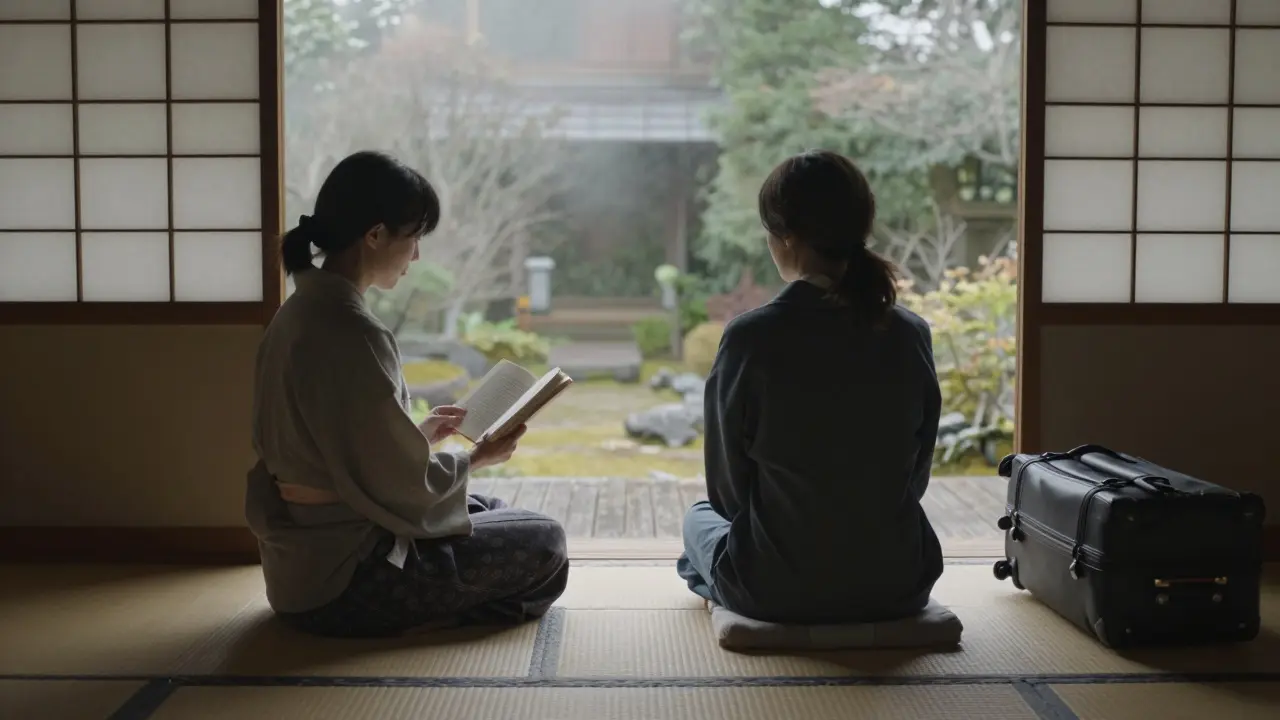
Before you even think about who to bring, ask yourself: what kind of trip do you actually want? Are you the type who wakes up at 6 a.m. to catch the sunrise at a hidden temple? Or do you prefer sleeping in, then wandering aimlessly through markets until lunchtime? Do you like planning every detail, or do you thrive on spontaneity? Your travel style isn’t just a preference-it’s a rhythm. And if your companion doesn’t match that rhythm, you’ll be constantly out of sync.One woman I know booked a two-week trip to Japan with her best friend since college. They’d been inseparable for years. But the friend wanted to hit every major tourist spot-Kyoto, Tokyo, Osaka-on a tight schedule. The woman just wanted to sit in quiet ryokans, read books, and soak in onsen. By day five, they weren’t speaking. They didn’t hate each other. They just didn’t want the same things. That’s not a failure of friendship. It’s a mismatch of travel DNA.
Travel Compatibility Isn’t About Personality
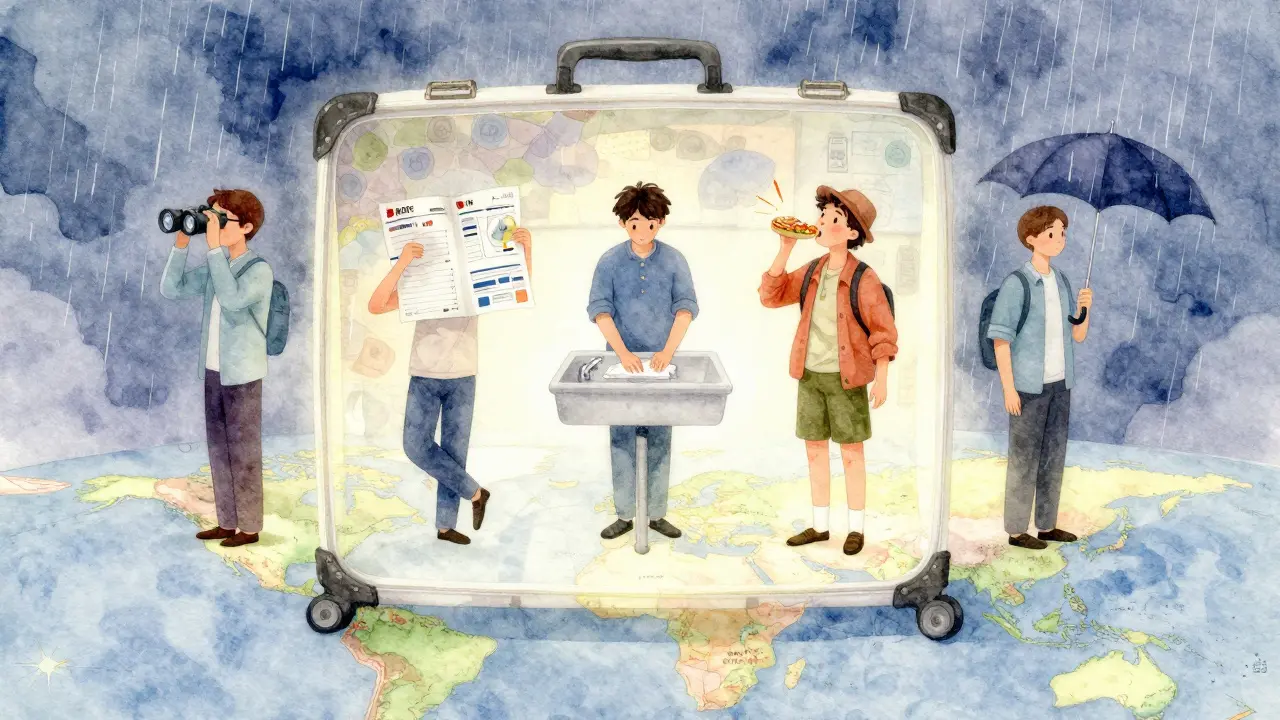
You might think the best travel buddy is the person who makes you laugh the hardest. But humor doesn’t pay for missed trains or cover up bad hygiene habits. What actually matters are the small things:- Do they pack light or haul a suitcase that weighs more than you do?
- Do they leave the bathroom a mess, or do they wipe down the sink after brushing their teeth?
- Do they hate sharing a bed, or do they take up the whole thing?
- Do they get anxious in unfamiliar places-or do they panic when things don’t go according to plan?
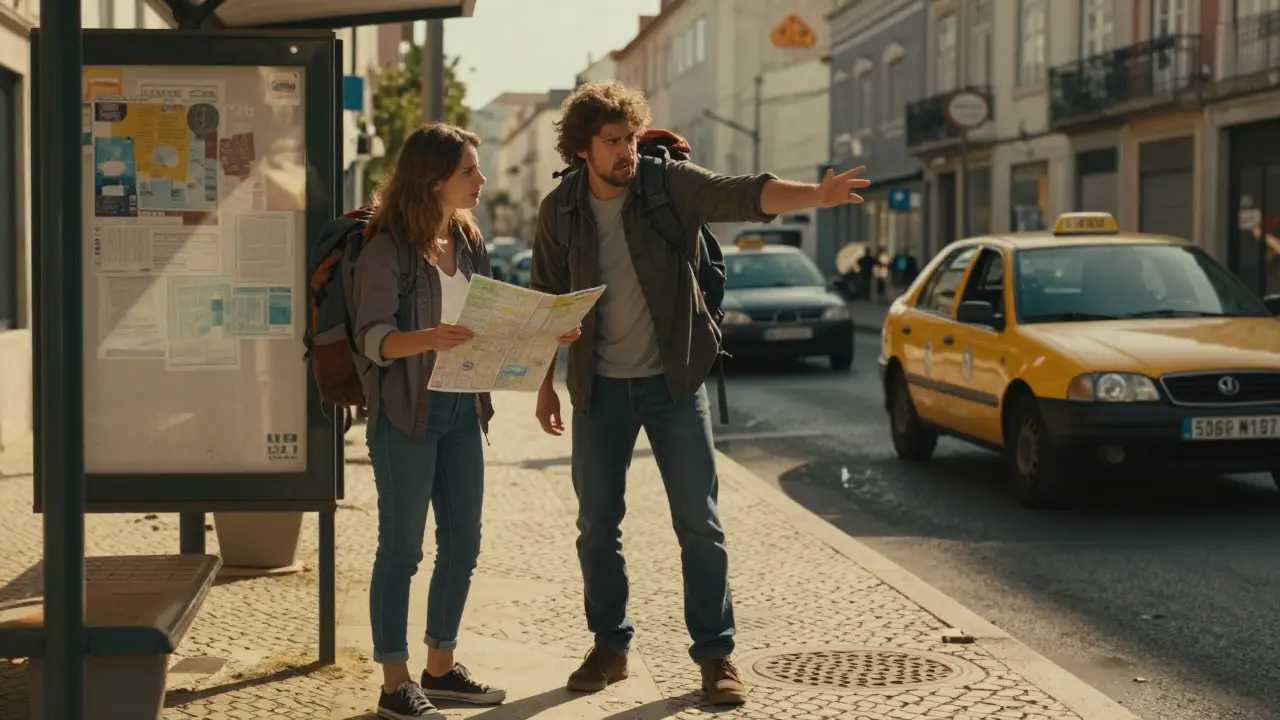
These aren’t trivial. They’re deal-breakers. A friend of mine traveled with her boyfriend to Portugal. He was sweet, generous, and funny. But he refused to use public transit, insisted on Uber everywhere, and got furious when they had to wait 20 minutes for a bus. By the end of the trip, she was exhausted-not from sightseeing, but from managing his frustration. She didn’t break up with him. She just stopped traveling with him.
Test Drive Before You Commit
Don’t jump straight into a two-week trip across Southeast Asia with someone you’ve never traveled with. Start small. Take a weekend road trip. Stay overnight in a nearby town. Go on a day hike. See how they handle delays, bad weather, or a closed restaurant. Watch how they react when things go off-script. Do they complain? Do they adapt? Do they take charge or disappear?One traveler I spoke with planned a trip to Bali with her sister. Before booking flights, they did a three-day camping trip in the mountains. It rained. Their tent leaked. They ran out of snacks. Instead of arguing, they laughed, cooked noodles on a portable stove, and played cards by flashlight. That test told her everything she needed to know. They were ready for Bali.
Money Talks-Literally
Money is the silent killer of travel friendships. Even if you’re close, financial habits vary wildly. Some people budget $50 a day for food. Others eat at every Michelin-starred spot they find. Some split everything 50/50. Others pay for everything and expect to be repaid later. Some never mention it. Others track every coffee.There’s no right way. But there’s a right conversation. Before you leave, sit down and say: “Here’s what I’m comfortable spending per day. Here’s how I want to handle costs.” Be specific. “I’ll pay for our hostel, you pay for meals.” Or “We’ll split everything, but I’ll handle the booking.” Write it down. Even if it feels awkward. It’s better than resenting someone because they ordered a $40 seafood platter while you ate noodles from a street cart.
Shared Values Over Shared Interests
You don’t need to love the same museums or hiking trails. What you do need is shared values. Do you both respect local culture? Do you care about sustainable travel? Do you avoid tourist traps because you want real experiences-or because you’re trying to look “authentic” on social media?One woman traveled with a friend who insisted on taking selfies with monks in Myanmar. The monk didn’t want his photo taken. The friend didn’t care. The traveler felt ashamed. She ended the trip early. It wasn’t about the photo. It was about respect. If your values don’t align on basic things like kindness, boundaries, or ethics, you’ll feel drained, not refreshed, by the end of the trip.
Red Flags You Can’t Ignore
Some warning signs are obvious. Others creep up slowly. Here’s what to watch for:- They never ask what you want to do
- They’re always late, and never apologize
- They complain about everything-food, weather, transportation
- They take over planning without asking
- They expect you to pay for their mistakes (missed flights, lost tickets)
- They don’t respect your need for alone time
One of these isn’t a deal-breaker. Two or more? Walk away. Travel isn’t the time to fix someone’s habits. It’s the time to enjoy yourself.
Who Should You Travel With?
The best travel companion isn’t always your best friend. Sometimes, it’s someone you barely know. Here’s who tends to work well:- The quiet observer: Doesn’t need constant chatter. Knows how to read a map. Appreciates silence.
- The flexible planner: Has a rough itinerary but adapts when something better comes up.
- The clean and considerate: Keeps shared spaces tidy. Asks before borrowing things.
- The curious local seeker: Wants to eat where locals eat, learn a few phrases, understand the culture.
- The calm under pressure: Doesn’t panic when flights get canceled. Finds solutions, not excuses.
These traits matter more than whether they like your playlist or can quote every episode of your favorite show.
It’s Okay to Travel Alone
Sometimes, the best travel companion is no one. Solo travel isn’t lonely-it’s liberating. You decide when to move, what to eat, where to rest. You don’t have to explain yourself. You don’t have to compromise. You don’t have to pretend.Many women who start solo travel say the same thing: “I didn’t realize how much energy I spent managing other people’s moods.” You’ll meet people on the road. You’ll have coffee with strangers. You’ll join group tours. But you’ll do it on your terms. And that’s powerful.
If you’re thinking about traveling with someone, ask yourself this: does this person make me feel more like myself-or less? If the answer is less, don’t go. Find someone else. Or go alone. Either way, your trip should leave you energized, not exhausted.
Elina Willett
December 27, 2025 AT 23:01Okay but have y’all ever traveled with someone who *says* they’re flexible but then throws a fit because the Airbnb doesn’t have a ‘Instagram-worthy’ bathtub? I did. We were in Lisbon. She cried because the shower curtain wasn’t white. I left her at the train station and took a cab to the airport alone. Best decision ever.
Also, why is it always women who get lectured about ‘travel compatibility’? Men never get told to ‘adjust their rhythm’ when they snore, hoard the blankets, or refuse to pay for their own drinks. Double standard much?
Joanne Chisan
December 28, 2025 AT 13:07As an American who’s been to 17 countries, I can tell you this: no foreigner understands how to travel right. They think ‘local food’ means eating off the street like it’s a survival show. I once had to drag my ‘adventurous’ friend out of a Bangkok market because she tried to eat grilled insects. We don’t need to ‘respect culture’-we need to stick to what’s safe and clean. America knows best.
Also, solo travel? That’s just a fancy way of saying ‘I can’t handle real relationships.’
Peter Szarvas
December 28, 2025 AT 18:35Love this post. Seriously. So many people think travel is about who makes them laugh the most, but it’s really about who makes you feel like you can breathe.
I traveled with my cousin to Nepal last year. She’s the quiet observer type-never talks over me, always asks if she can borrow my charger, and actually learns the local greetings. We got lost in Kathmandu for 3 hours. No panic. No yelling. Just laughter and map-reading. That’s the magic.
Also, money talk? Do it. I once had a friend who ‘forgot’ to pay me back for a $60 bus ticket. We haven’t spoken since. No shame in writing it down. It’s not rude-it’s responsible.
And yes, traveling alone is powerful. I did it after a breakup. Didn’t meet anyone. Just sat in a café in Oaxaca for a week, drank chocolate, and cried in peace. Came back a different person.
PS: If your ‘best friend’ hates your travel style, it’s not them. It’s not you. It’s just mismatched rhythms. Let it go.
Faron Wood
December 30, 2025 AT 18:21THIS IS THE MOST IMPORTANT THING I’VE READ THIS YEAR. I’M NOT KIDDING.
My ex and I went to Thailand. He refused to use public transport because ‘it’s dirty’ and then got mad when I wanted to visit a temple because ‘it’s not fun.’ I packed a backpack. He brought a rolling suitcase with 17 pairs of shoes. He left toothpaste on the sink. He didn’t ask if I wanted to eat. He just ordered. And then he got mad when I didn’t like his choices.
And guess what? He said I was ‘too sensitive.’
So I left him at the airport. Alone. With his suitcase. And I flew home. I didn’t cry. I didn’t text. I just ordered pizza and watched Netflix. Best 48 hours of my life.
Travel isn’t about love. It’s about alignment. And if you don’t have it? Don’t go. Just… don’t.
Also, if you’re still friends with someone who made you feel small on vacation? You’re not healing. You’re just delaying the breakup.
kamala amor,luz y expansion
December 31, 2025 AT 11:16Westerners always think they’re the ones who ‘respect culture.’ Meanwhile, they take selfies with Hindu deities in temples like they’re posing with a statue at Disney. I’ve seen Americans wear saris as ‘costumes’ and then post ‘authentic India’ photos. It’s offensive. You don’t get to pick and choose which traditions to honor.
Also, ‘solo travel is liberating’? Please. In India, women traveling alone are harassed daily. You think you’re empowered? You’re just naive. The real travelers are the ones who understand local norms-not the ones who Instagram their ‘adventures’ while ignoring the real struggles.
And yes, I’ve been to 23 countries. I know what I’m talking about.
Matt Morgan
January 2, 2026 AT 02:36I used to think travel was about the places. Now I know it’s about the people you don’t want to strangle.
I went to Croatia with my sister. She was the ‘flexible planner.’ I was the ‘I need a schedule or I die’ type. We didn’t speak for 3 days. Then we got caught in a rainstorm in Hvar. We shared an umbrella. We ate grilled sardines from a cart. We laughed so hard we cried.
Turns out, it’s not about matching rhythms. It’s about being willing to bend yours-even a little.
And yeah, money talk? Do it. I once had a friend who ‘forgot’ to pay me back for a $12 gelato. I didn’t mention it. But I never trusted her again. Money isn’t just money. It’s respect.
Travel doesn’t change people. It reveals them.
K Thakur
January 2, 2026 AT 10:14Did you know that 78% of travel conflicts are orchestrated by secret government programs to test emotional resilience? They use targeted ads to push ‘travel companions’ on you so they can collect data on your stress responses.
And the ‘quiet observer’? That’s just someone who’s been programmed to be passive. They’re not calm-they’re suppressed.
Also, why do all these articles assume you’re white and middle-class? What about the people who can’t afford to ‘test drive’ a trip? What about the ones who travel because they have to, not because they want to?
And don’t get me started on ‘solo travel.’ It’s just a marketing gimmick. The real truth? No one wants to be alone. They just don’t have anyone left who hasn’t disappointed them.
Wake up. The system is rigged.