
Night Club Nights - Dance: How to Own the Floor and Enjoy the Night

There’s a moment when you step into a night club and the bass hits your chest before your feet even touch the floor. The lights pulse. The crowd sways. And suddenly, you’re not just walking in-you’re entering a rhythm that doesn’t ask for permission, just presence. If you’ve ever stood near the edge of the dance floor, pretending to check your phone while your body screams to move, you know this isn’t about being a great dancer. It’s about letting go.
It’s Not About the Steps, It’s About the Feeling
Most people think dancing in a club means knowing choreography. It doesn’t. You don’t need to do the floss, the dougie, or the worm. You don’t even need to know the name of the song. What you need is to feel the beat in your bones. Club music isn’t made for perfection-it’s made for movement. The kick drum is your heartbeat. The synth line is your breath. Your job isn’t to impress anyone. It’s to connect with the music, and let your body answer.Look around. The people who look like they own the floor? They’re not dancing the same way as the guy in the viral TikTok video. They’re just moving. One arm up when the drop hits. A shoulder roll when the bass lingers. A little hop on the off-beat. That’s it. No one is counting. No one is judging. Everyone is too busy feeling their own rhythm.
Where to Stand When You’re Nervous
The dance floor isn’t one big open space. It’s layered. Near the speakers? That’s where the energy is strongest, but also where people are most intense. If you’re new, start near the back or to the side-where the crowd thins out. You’ll have room to test your movements without feeling trapped. Watch how others move. Notice how some people barely shift their weight but still look like they’re in the middle of a storm. That’s the secret: it’s not about big motions. It’s about commitment.Stand with your feet shoulder-width apart. Bend your knees slightly. Let your arms hang loose. Don’t lock your elbows. When the music changes, don’t force it. Wait half a beat. Then move with the next wave. You’ll find your groove faster if you’re not trying to catch up.
What to Wear That Actually Helps You Dance
Clothes matter more than you think. You don’t need designer labels. You need freedom. Tight jeans? They’ll restrict your hips. High heels? They’re fine for walking in, but not for dancing for three hours. Flat boots or clean sneakers with good grip are the real MVPs. A loose top that lets your arms swing? Perfect. A tank top that doesn’t cling when you sweat? Even better.Think about it: if you’re focused on adjusting your shirt or worrying your pants are too tight, you’re not dancing. You’re managing discomfort. The right outfit removes that distraction. It doesn’t have to be flashy. It just has to let you move like no one’s watching-even when they are.
The Music Tells You When to Move
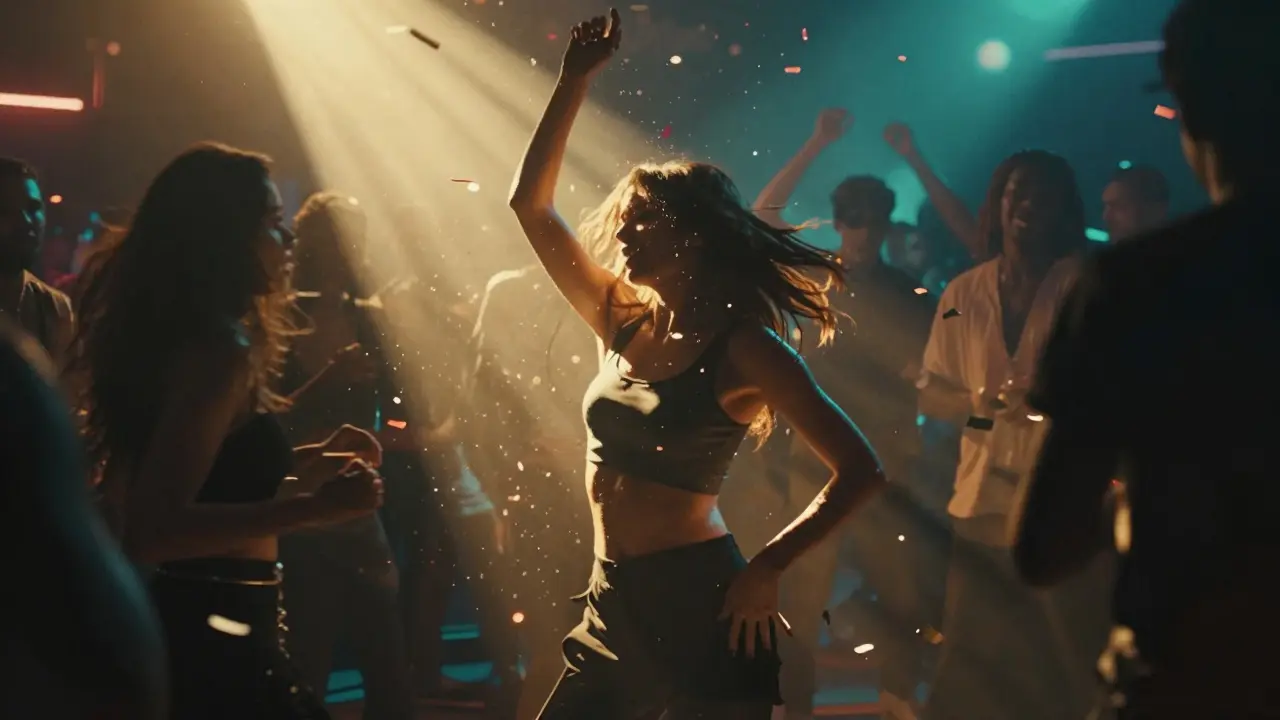
Club music has a structure. It’s not random noise. There’s a build-up. A drop. A breakdown. A rise. Learn to recognize them. The build-up is your warm-up. That’s when you start shifting your weight, rolling your shoulders, tapping your foot. The drop? That’s your signal. Let your whole body react. Arms up. Chest out. A little jump if you want. The breakdown? That’s when you slow it down. Let your hands glide. Sway. Breathe. Then when the beat kicks back in, you’re ready.Most people miss this. They dance the whole time like it’s one long sprint. But the best dancers ride the waves. They know when to explode and when to float. Listen to the hi-hats-they’re your metronome. Listen to the bass-it’s your anchor. The music is guiding you. You just have to trust it.
What to Do When You Feel Like You Look Silly
You will feel silly. Everyone does. Even the people who look like they were born on the dance floor. The difference? They’ve learned to laugh at themselves. If you stumble, if you miss a beat, if you accidentally elbow someone-smile. Nod. Keep going. No one remembers that moment. They’re too busy worrying about their own moves.Here’s a trick: pick one person who looks like they’re having fun and mirror them for 30 seconds. Not copy. Just match their energy. If they’re bouncing lightly, bounce lightly. If they’re spinning slowly, spin slowly. You’ll feel less alone. And you’ll start to realize: dancing isn’t about being good. It’s about being alive.
When to Leave the Floor
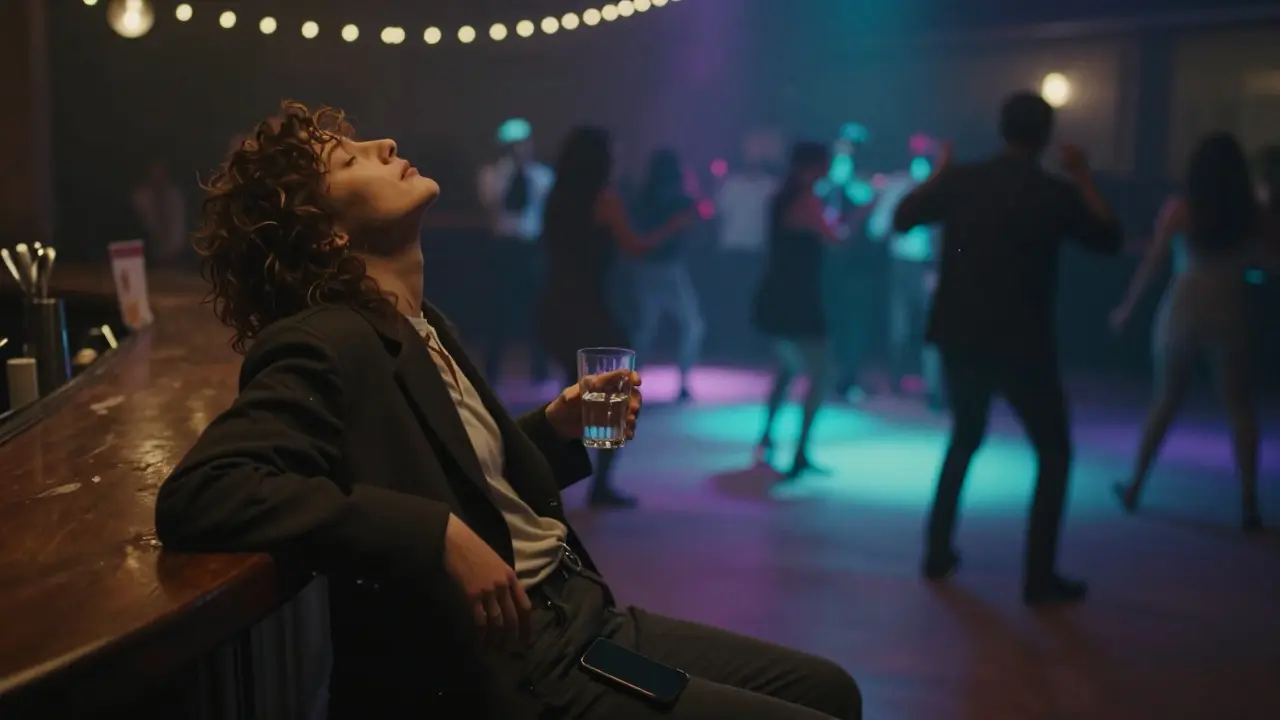
There’s a time to go in. And a time to step out. If you’re sweating through your shirt, your legs are tired, or your head feels fuzzy from the music-that’s your cue. Don’t wait until you’re exhausted. Walk off before you’re done. Grab a water. Step into the quieter area near the bar. Watch the crowd. Feel the vibe. Then go back in when you’re ready.Clubs aren’t marathons. They’re cycles. You don’t have to dance every song. You don’t have to be on the floor from 11 PM to 3 AM. Some of the best nights are the ones where you danced hard for three songs, took a break, had a conversation, and came back refreshed. That’s the rhythm of a real night out.
Why This Matters More Than You Think
Dancing in a club isn’t just about music. It’s about reclaiming your body. In a world that tells you to sit still, to be quiet, to control every movement, the dance floor is one of the last places where you can just be. No filter. No performance. Just you and the beat.Studies show that rhythmic movement reduces stress hormones. It boosts endorphins. It reconnects you with your physical self after hours of screens, emails, and overthinking. That’s why, after a long week, you might find yourself drawn to a club-not to meet someone, not to be seen, but just to move. To feel something real.
That’s the real magic of night club nights. It’s not about the drinks, the lights, or the music. It’s about the freedom to let your body speak when your mind is too tired to talk.
Final Tip: Dance Like Nobody’s Recording
Phones are everywhere. But the best moments on the dance floor? They’re the ones no one filmed. The ones where you lost track of time. Where you didn’t care who saw you. Where you just danced because it felt right.Put your phone away. Seriously. Leave it in your coat pocket. Or better yet, give it to a friend. This night isn’t for your feed. It’s for you. Let the music take over. Move how you want. Laugh when you stumble. Let your arms fly. Let your hips roll. Let your feet find the beat.
Because tomorrow, you’ll go back to your routine. But tonight? Tonight, you’re not an employee, a student, a parent, or a follower. You’re a body in motion. And that’s enough.
OBINNA UBOCHI
January 8, 2026 AT 17:54bro i just stood there like a statue for 20 minutes cause i thought everyone was watching me. turned out no one even noticed. then i did this weird shoulder thing and some girl nodded at me like i just won a prize. best night ever.
Andrew Chen
January 9, 2026 AT 10:04The psychological benefits of rhythmic movement in high-stimulus environments are well documented. The reduction in cortisol levels coupled with endorphin release creates a natural feedback loop that reinforces embodied presence. This is not mere recreation-it is somatic regulation.
Farrah Kennedy
January 10, 2026 AT 14:00Oh wow. So dancing isn't about being a TikTok robot after all? Who knew? I thought the whole point was to look like you're being chased by a ghost while your phone records it for 17 people who don't even know your name. Thanks for reminding me that my body still exists and doesn't need a filter to be valid. I'm crying. Not really. But I should be.
Alek Mercer
January 10, 2026 AT 15:19This is a profoundly insightful perspective on embodied autonomy in contemporary social spaces. The dance floor functions as a rare sanctuary where societal performance expectations are suspended, allowing for authentic somatic expression. The emphasis on presence over perfection resonates deeply with principles of mindfulness and non-judgmental awareness.
William Dean
January 12, 2026 AT 08:07lol yall overthinkin this. its just bass + feet + no pants that choke. if you move like your body remembers how to breathe, you’re already winning. also-sneakers > heels. period. end of convo. unless you like limping at 3am.
Mark Sullivan
January 12, 2026 AT 15:49Let me guess-this is just another corporate wellness scam dressed up as nightlife advice. The government knows rhythmic movement makes people less controllable. That’s why they’ve been pushing clubs since the 90s. You think the lights are for fun? No. They’re synchronized with subliminal pulses designed to lower inhibitions. Your phone? That’s a tracking device. Give it to your friend? That’s how they get your data. Wake up.
Dan Thornton
January 14, 2026 AT 01:09Just move. Dont think. Music hits you, you move. Simple. If you feel good, you doing it right. No need to over explain. Just dance.
Jennifer Cacace
January 15, 2026 AT 08:39Interesting. You're framing club dancing as a neurochemical reset mechanism, but have you considered the performative commodification of the body in post-industrial leisure spaces? The very act of "owning the floor" is mediated by algorithmic lighting, curated playlists, and social validation economies. Your "freedom" is just a branded experience with better acoustics.
lee sphia
January 17, 2026 AT 02:58I used to think I had to dance like everyone else. Then I realized-I don’t even like the music half the time. Now I just stand near the wall, smile, and let the bass shake my ribs. Sometimes I nod at the person next to me. We never speak. But we both know. That’s enough.