
Body Massage - Where to Let Go
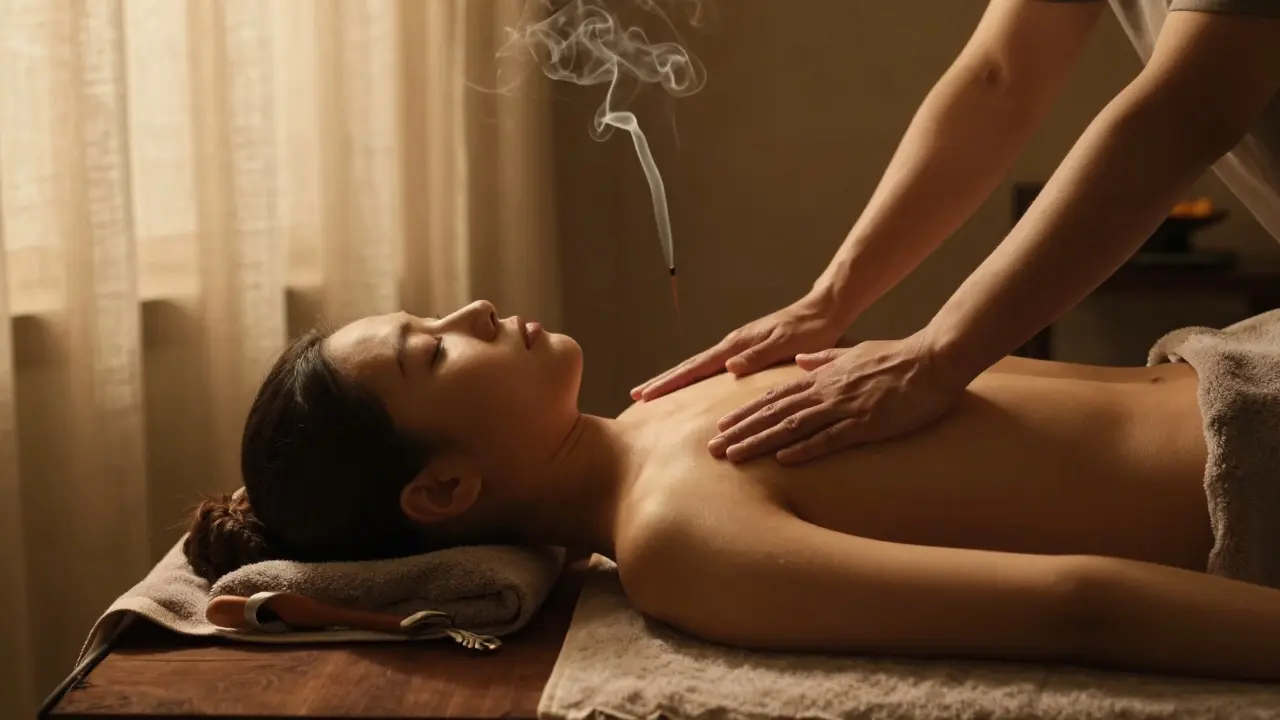
You’ve had a long week. Your shoulders are locked, your lower back screams when you stand up, and your mind won’t shut off even when you’re lying in bed. You know you need a body massage. But here’s the truth most people miss: body massage isn’t just about hands kneading your skin. It’s about letting go-deeply, completely, and without apology.
Why Your Body Holds Onto Stress Like a Lifeline
Your body doesn’t just store fatigue. It stores fear, frustration, and the quiet pressure of daily life. Think about it: when you’re anxious, your jaw clenches. When you’re overwhelmed, your shoulders rise toward your ears. When you’re tired, your hips tighten like a drawer jammed shut. These aren’t just habits. They’re physical memories. Your muscles remember every deadline missed, every argument unsaid, every night you lied awake wondering if you were enough.That’s why a 20-minute massage won’t fix you. If you sit there tense, bracing against the pressure, you’re not getting the release-you’re just paying for someone to press harder on your pain. Real relaxation happens when you stop trying to control it. When you stop thinking about your to-do list and start feeling your breath move through your ribs.
Where to Let Go: The Five Key Zones
Not all parts of your body hold tension equally. Some areas are more stubborn than others. Here are the five places most people need to release-but rarely do.- The base of your skull - This is where your neck meets your head. If you’ve ever woken up with a headache that feels like a band around your forehead, this is the culprit. Tightness here pulls your entire spine out of alignment. A skilled therapist will use gentle pressure here-not to crack or force-but to invite the muscles to soften.
- Your upper trapezius - The muscle that runs from your neck to your shoulders. It’s the most common spot people point to when they say, “I’m so tense.” But most massage therapists rush through it. True release comes when pressure is slow, sustained, and paired with deep breathing. Let your shoulders drop. Let them feel heavy.
- Your lower back - Not the spine itself, but the thick muscles on either side of it. This area holds the weight of standing too long, sitting too much, or carrying emotional burdens. If your lower back feels stiff even after stretching, it’s not a mobility issue. It’s a surrender issue. You have to let your body believe it’s safe to relax.
- Your hips - These are emotional storage units. The psoas muscle connects your spine to your legs. It’s the muscle that fires when you’re scared or running from something. In massage, this area can trigger tears. Don’t fight it. Let the release come. It’s not weakness. It’s your body finally exhaling after holding its breath for years.
- The soles of your feet - You walk on them every day. They carry you through stress, through chaos, through life. Yet most people never pay attention to them. A focused foot massage doesn’t just ease pain-it reconnects you to your body. Your feet remind you: you’re grounded. You’re here. You’re safe.
What Happens When You Actually Let Go
I’ve seen clients come in stiff as boards. One woman, 48, a school principal, said she hadn’t felt relaxed since her kids were born. After her third session, she cried in the massage table. Not because it hurt. Because she realized she hadn’t breathed fully in 15 years.That’s the shift. When your body lets go, your mind follows. Your heart rate slows. Your digestion improves. You sleep deeper. You stop snapping at people. You notice the way sunlight hits the floor in the morning. These aren’t side effects. They’re the point.
Science backs this up. A 2023 study from the University of Sydney tracked 120 people receiving weekly full-body massages over eight weeks. Those who allowed full physical surrender-no clenching, no mental resistance-showed a 37% drop in cortisol levels. The ones who stayed tense? No change. The difference wasn’t the technique. It was the willingness to let go.

How to Prepare for a Session That Actually Works
You wouldn’t go to a concert and cover your ears. Don’t go to a massage and stay clenched.- Turn off your phone. Not just silence it. Put it in another room. If you’re checking messages during your massage, you’re not there.
- Drink water before and after. Hydration helps your muscles release. It also helps flush out the metabolic waste that builds up when tension is released.
- Don’t eat a heavy meal two hours before. Your body needs to focus on relaxing, not digesting.
- Speak up. If the pressure is too light, say so. If it’s too deep, say so. A good therapist doesn’t mind. They want you to feel safe.
- Close your eyes. Even if you think you’re “not good at relaxing,” keep them closed. Your nervous system doesn’t care if you’re trying. It just needs stillness.
What to Avoid
Not all massages are created equal. And some settings actively prevent release.- Avoid places where the staff talks nonstop. Constant chatter keeps your brain active. You need silence to unwind.
- Avoid rushed sessions. A 30-minute massage is not enough to release deep tension. Aim for 60 to 90 minutes.
- Avoid therapists who use the same routine on everyone. Your body isn’t a template. It needs personal attention.
- Avoid places that feel clinical. If it smells like bleach and has fluorescent lights, you’re not going to relax. Look for warm lighting, soft music, and natural materials.

What Comes After the Massage
The real work doesn’t end when you leave the table. That’s when it begins.For the next 24 hours, your body is recalibrating. Your nervous system is shifting from fight-or-flight to rest-and-digest. That’s why you might feel a little lightheaded, or unusually emotional. That’s normal. Don’t rush into a meeting or a workout. Give yourself space. Take a walk. Sit in the sun. Drink tea. Listen to music without headphones.
And if you feel tension creeping back in after a few days? That’s not failure. It’s feedback. Your body is telling you: you’re still holding on. Schedule your next session. Not because you’re broken. Because you’re alive.
It’s Not a Luxury. It’s a Reset.
People treat massage like a treat. Something you do when you’ve been good. But it’s not a reward. It’s a necessity. Your body is not a machine that runs on caffeine and willpower. It’s a living system that needs care, attention, and space to breathe.You don’t need to spend thousands. You don’t need a luxury spa. You just need to find someone who understands that massage isn’t about muscle manipulation. It’s about permission. Permission to stop. To feel. To be soft.
Let go. Not tomorrow. Not when you’re less busy. Right now. Your body has been waiting.
Can I get a body massage if I’m not in pain?
Absolutely. Massage isn’t just for pain. It’s for prevention, for awareness, for reconnection. Many people who come in without pain leave with a deeper sense of calm and better sleep. It’s like tuning a guitar-you don’t wait until it’s out of tune to fix it.
How often should I get a body massage?
For most people, once a month is enough to maintain balance. If you’re under high stress, have a physically demanding job, or carry chronic tension, once every two weeks helps. Think of it like brushing your teeth-you don’t wait until your gums bleed to do it.
Does massage hurt to be effective?
No. Pain triggers tension, not release. You might feel discomfort, especially in tight areas, but it should never feel sharp or unbearable. A good massage feels like a deep, welcome pressure-not a punishment. If it hurts, tell your therapist. Good ones will adjust immediately.
What’s the difference between a spa massage and a therapeutic massage?
Spa massages are designed for relaxation and ambiance-often lighter pressure, shorter time, and more focused on scent and atmosphere. Therapeutic massages target specific tension patterns, use deeper techniques, and are tailored to your body’s needs. If you’re looking to release chronic tightness, go for therapeutic. If you want to unwind after a long day, a spa session works fine.
Can I do body massage at home?
You can do some things at home-foam rolling, self-massage with a tennis ball, stretching. But you can’t fully release deep tension on your own. Your brain won’t let you relax completely when you’re the one doing the work. That’s why professional massage matters. It’s not about the hands. It’s about the surrender.
If you’re reading this and thinking, “I should do this,” don’t wait. Your body is already asking for it. Just say yes.
Darren Thornton
December 8, 2025 AT 07:43Actually, the article misrepresents the physiology of the psoas. It’s not an ‘emotional storage unit’-that’s pop psychology nonsense. The psoas is a hip flexor, period. Tension there comes from prolonged sitting, poor posture, or muscular imbalances-not ‘years of holding your breath.’ If you’re crying during a massage, it’s likely because the therapist is applying excessive pressure to a sensitive nerve, not because your soul is ‘exhaling.’
Deborah Moss Marris
December 8, 2025 AT 12:38Wow. This is exactly what I needed to hear. I’m a trauma therapist, and I’ve seen clients hold grief in their hips for decades. The psoas? It’s connected to the vagus nerve. When it tightens, it literally shuts down parasympathetic response. This isn’t ‘pop psychology’-it’s somatic psychology backed by Bessel van der Kolk and Peter Levine. If you’ve never had a massage where you cried because your body finally felt safe, you haven’t experienced real release. Stop reducing anatomy to textbook definitions and start listening to what bodies actually tell you.
Kimberly Bolletino
December 9, 2025 AT 07:56Ugh, this is so pretentious. You people act like getting a massage is some spiritual awakening. I get a 30-minute session at the mall for $40 and I’m fine. You don’t need to cry, you don’t need to ‘let go,’ you just need to stop being so dramatic. Also, who even says ‘metabolic waste’? That’s not a real thing. It’s just sweat and tired muscles. Stop making this into a cult.
Elina Willett
December 9, 2025 AT 22:18Okay but what if I don’t want to let go? What if I like being tense? What if my tight shoulders are my armor? What if the world is chaos and I’m the only one holding it together? Why does everyone assume relaxation is the goal? Maybe I’m not broken. Maybe I’m just awake. And maybe your ‘therapeutic massage’ is just another way society tells you to be passive, compliant, and soft. I’d rather be a brick than a pillow.
Joanne Chisan
December 10, 2025 AT 09:29My mom used to say, ‘If you’re not crying during a massage, you’re not trying.’ And she was right. I used to work 80-hour weeks in finance. I thought I was strong because I never complained. Then I got a massage and I sobbed for 20 minutes. I didn’t know I was holding onto my dad’s death. I didn’t know my body remembered. Now I go every two weeks. I don’t care what you think. This isn’t luxury. It’s survival.
Peter Szarvas
December 11, 2025 AT 22:45Love this so much. Seriously. I used to think massage was just for people who could afford it-but then I found a student clinic downtown where they charge $20 and the therapists are amazing. I went in stiff as a board after back-to-back Zoom calls, and left feeling like I’d slept for a week. The foot thing? Total game-changer. I’ve been rolling a tennis ball under my arches every night since. Your body doesn’t need magic. It just needs you to show up. And stop checking your phone. 😊
Faron Wood
December 12, 2025 AT 07:51Okay, so I went to this one place in Austin-this guy, big guy, beard, smells like cedar and incense-and he just started pressing on my hips and I swear to god, I heard a sound. Like a deep, guttural sigh. Not me. The room. The walls. The whole damn space. And then he said, ‘That’s your psoas saying thank you.’ I thought he was joking. Then I cried. Then I bought his $200 oil. Then I told my boss I needed a mental health day. Then I quit my job. Now I run a yoga retreat in Bali. You think this is about massage? No. It’s about the moment you realize you’ve been living in a cage made of your own fear. And the key? It was in your hips the whole time.
kamala amor,luz y expansion
December 13, 2025 AT 09:39This is all Western nonsense. In India, we’ve had Ayurvedic abhyanga for 5,000 years. You don’t need to ‘let go’-you need to balance your doshas. Your ‘tight hips’? That’s vata imbalance. Your ‘stress shoulders’? Pitta overload. Your ‘emotional tears’? Just kapha stagnation. And you think a 90-minute massage is the answer? We use warm sesame oil, rhythmic strokes, and mantra chanting. No crying required. Just discipline. You Americans turn everything into therapy. We turn it into science.